

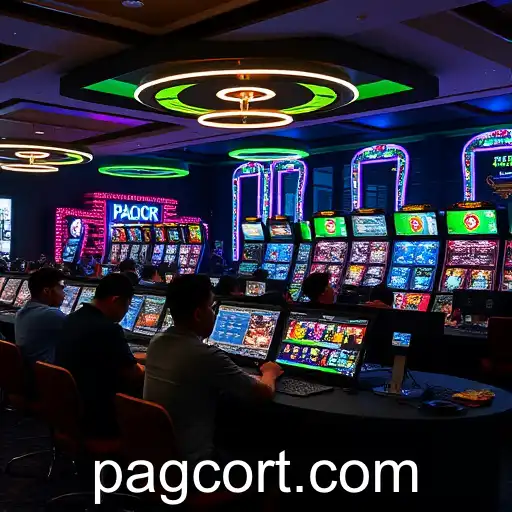

The Philippine Amusement and Gaming Corporation, known as Pagcor, has become a significant player in the global gaming industry. As digital platforms continue to dominate, understanding Pagcor's role in regulation and innovation is essential.
In recent years, Pagcor has been tasked with more than just generating revenue for the Philippine government. The organization is also responsible for ensuring fair play, safeguarding players' interests, and adapting regulatory measures to fit the digital age. With a global shift towards online gaming, Pagcor's strategies have had to evolve swiftly.
One major development is the introduction of more stringent online gaming laws, balancing the fine line between fostering industry growth and preventing illegal activities. This has involved upgrading technological frameworks to better monitor activities and protect users.
Pagcor's dynamic approach to regulation highlights a broader global trend in the gaming world: the increasing importance of adaptability and technological integration. By embracing digital transformation while maintaining regulatory oversight, Pagcor serves as both a model and a cautionary tale for gaming regulatory bodies worldwide.
As the industry continues to expand internationally, Pagcor's challenges and triumphs provide valuable lessons in navigating the complex intersection of innovation and regulation.

Exploring the impact and recent developments of PAGCOR on the gaming industry in 2025.

An exploration of PAGCOR's evolving role in the online gaming industry and its impact on regulation and innovation.

Exploring PAGCOR's evolving influence on the global gambling industry in 2025.

An overview of PAGCOR's influence on the global gaming industry and recent developments.

An in-depth analysis of PAGCOR's impact on the international gaming industry.

An exploration of PAGCOR's impact on the online gaming industry and its role in shaping regulatory frameworks.
